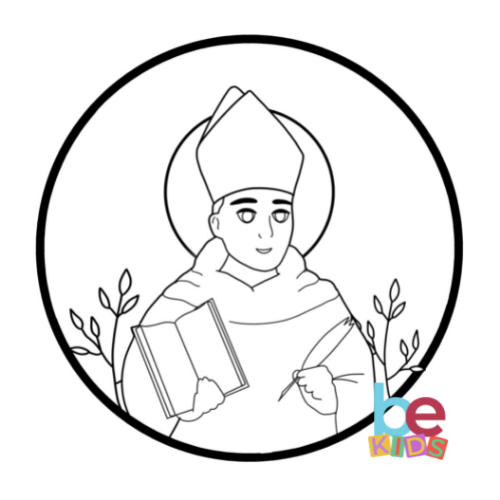





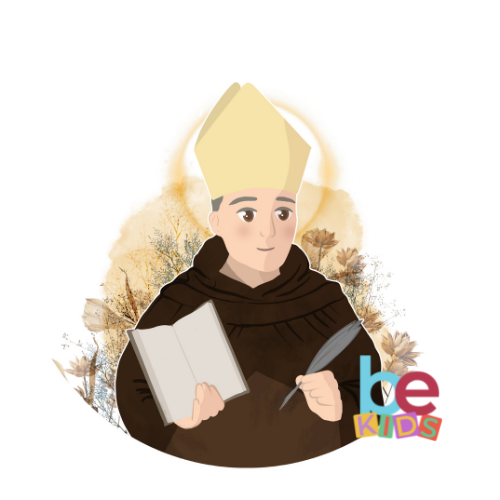
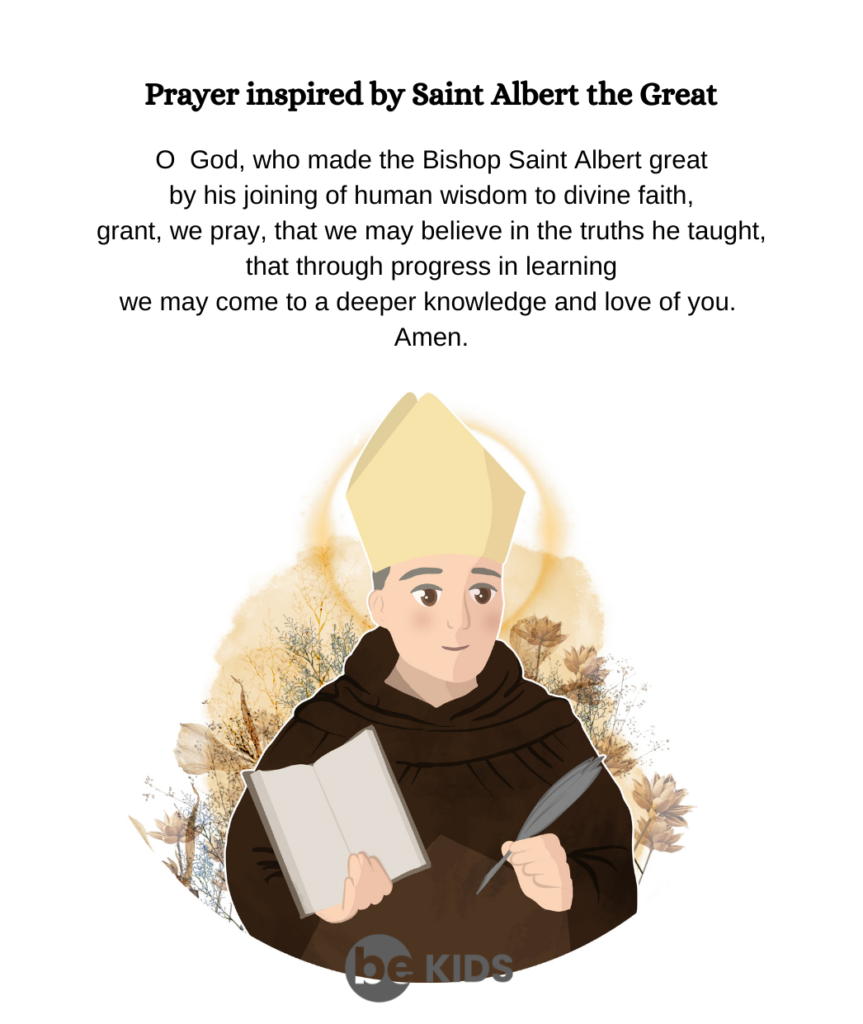
Saint Albert was born in Germany in 1206. He was the eldest son of a very wealthy, noble, and aristocratic family.
While studying at the University of Padua, he felt the call to the priesthood. Against his family’s wishes, he joined the Dominicans in 1223. He completed his novitiate in Cologne, Germany. Five years later, he began teaching at the Dominican college. In 1245, he obtained a doctorate in theology from the University of Paris. He was the first Dominican to achieve such a high degree. He immediately began teaching theology at the same university. One of his students was Saint Thomas Aquinas.
While continuing with his deep interest in the philosophy of Aristotle, he also engaged in the teachings of the Muslim Scholars who had leading influence in Europe with regards to science, medicine and scholarship. Together with other leaders of the Dominican Order, he set up study programs and a University in Rome, still run today by the Dominicans and known as ‘The Angelicum’.
In 1254. he was chosen as Provincial (administrator) of the Dominican Order and in 1260, he was appointed Bishop of Regensburg, but he resigned three years later as he felt that he could not fit in the role.
He returned to the academic field, this time as mediator in disputes between individuals, between the bishop and the people of Cologne and on occasions as advisor for the Pope.
He died on 15 November 1280, at the age of 75.
So why is he called ‘The Great’? During his lifetime he wrote volumes addressing various topics: geography, astronomy, chemistry, philosophy, law, friendship. He remains well-known for his teachings and for the establishment of study programs, of Colleges and University Studies. He remains to be called ‘Great’, because for his time he was “the teacher of everything there is to know”.
This week’s content


About
This new bekids.mt aims to offer an even more comprehensive catechetical formation for children preparing to receive the sacraments.