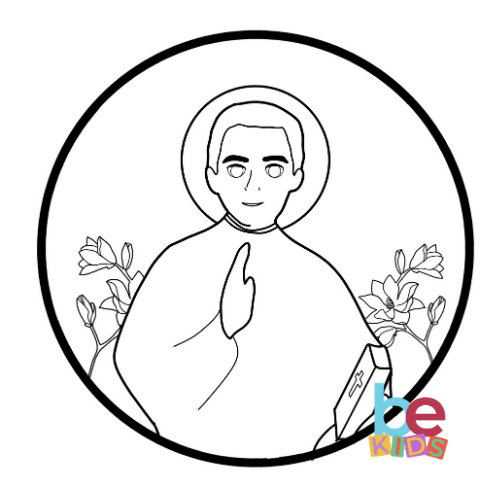





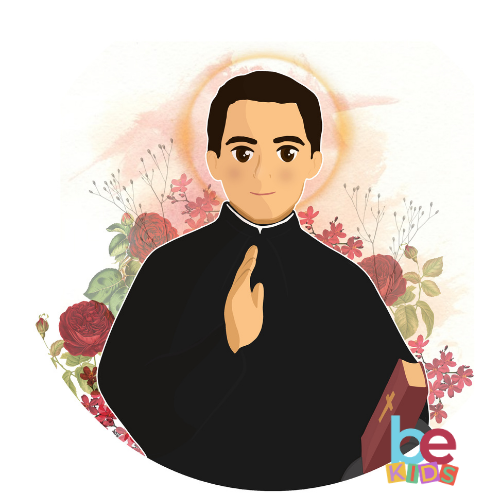
Saint John Bosco was born in Becchi, a small village near Turin, Italy.
The greatness and saintliness of Don Bosco arose from his charisma that drew to him so many people, especially youths, because he “radiated the warm love of God.”
At the time when Don Bosco lived, many boys, most of them orphans, roamed the streets. They were poor, hungry and illiterate. Very often they resorted to stealing, getting into fights, using bad language, hurting each other in violent outbursts, ending in prison.
It was for these ‘street boys’ that Don Bosco dedicated his mission, his life. He started to meet boys in a form of Sunday school where he created an opportunity to teach the boys the Christian Faith, to spend time in prayer with them and to play! This Sunday school developed into a Youth Centre, and later into a boarding house, an Oratory.
John Bosco’s mother, fondly called “Mamma Bosco” or “Mamma Margherita” supported him in his mission catering for the basic needs of the boys. She was a mother figure at the Oratory where her motherly presence provided psychological support for the boys.
Saint John Bosco, together with 17 other men founded the Salesians, under the patronage of St. Francis de Sales, hence their name. The Salesians opened schools that prepared boys for the Seminary, night schools for working men, technical schools, organised apprenticeships, built printing presses and even built hospitals. Don Bosco also founded the Salesians Sisters to carry out a similar mission with girls.
The Salesians started their mission in Malta in 1903. The Salesians’ mission is still ongoing.
Coming from a poor family and being an orphan himself, Saint John Bosco had to struggle to reach his aim, that of becoming a priest. When he started his mission with the ‘street boys’ he had many setbacks. But Don Bosco never lost heart. He was steadfast in his work; he persevered to carry out his mission.
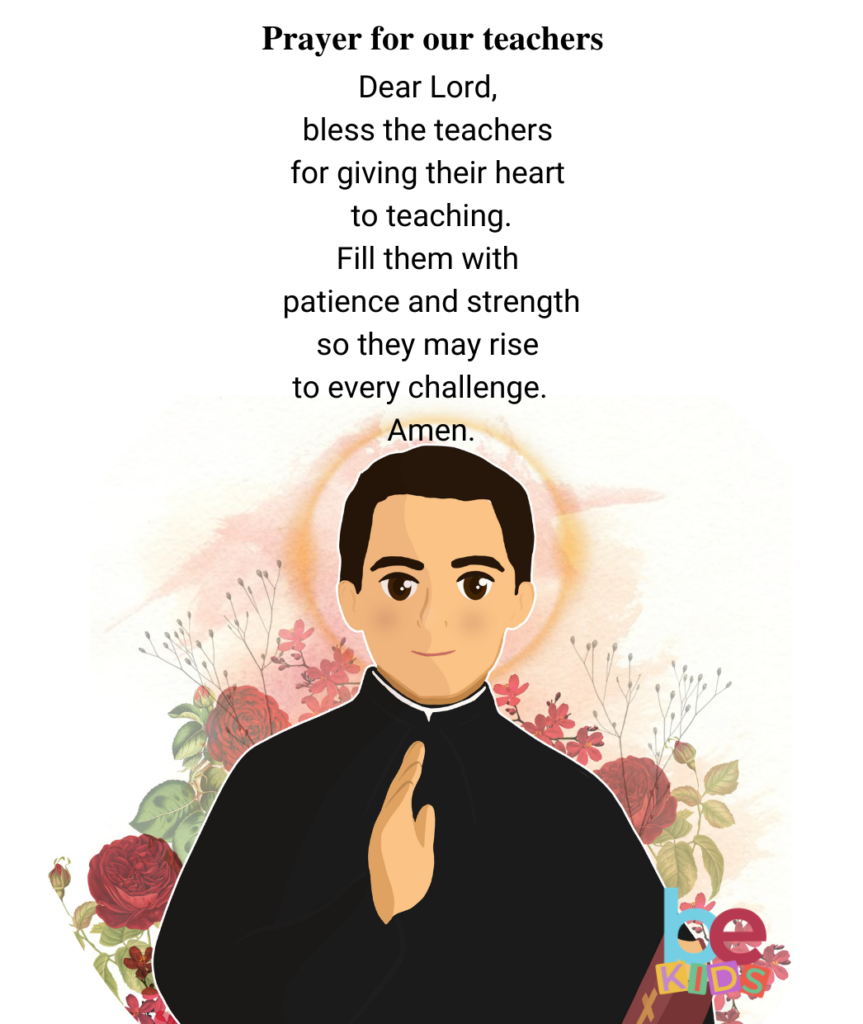
Saint John Bosco, popularly known as Don Bosco, was an Italian Catholic priest. He dedicated his entire life to helping poor and neglected children. He believed in teaching with love and kindness rather than punishment.

About
This new bekids.mt aims to offer an even more comprehensive catechetical formation for children preparing to receive the sacraments.